
Identifying Drywood vs. Subterranean Termites: Warning Signs for Southern California Homes
Learn how to spot the critical differences between drywood and subterranean termites, recognize their distinct warning signs, and protect your Southern California property.
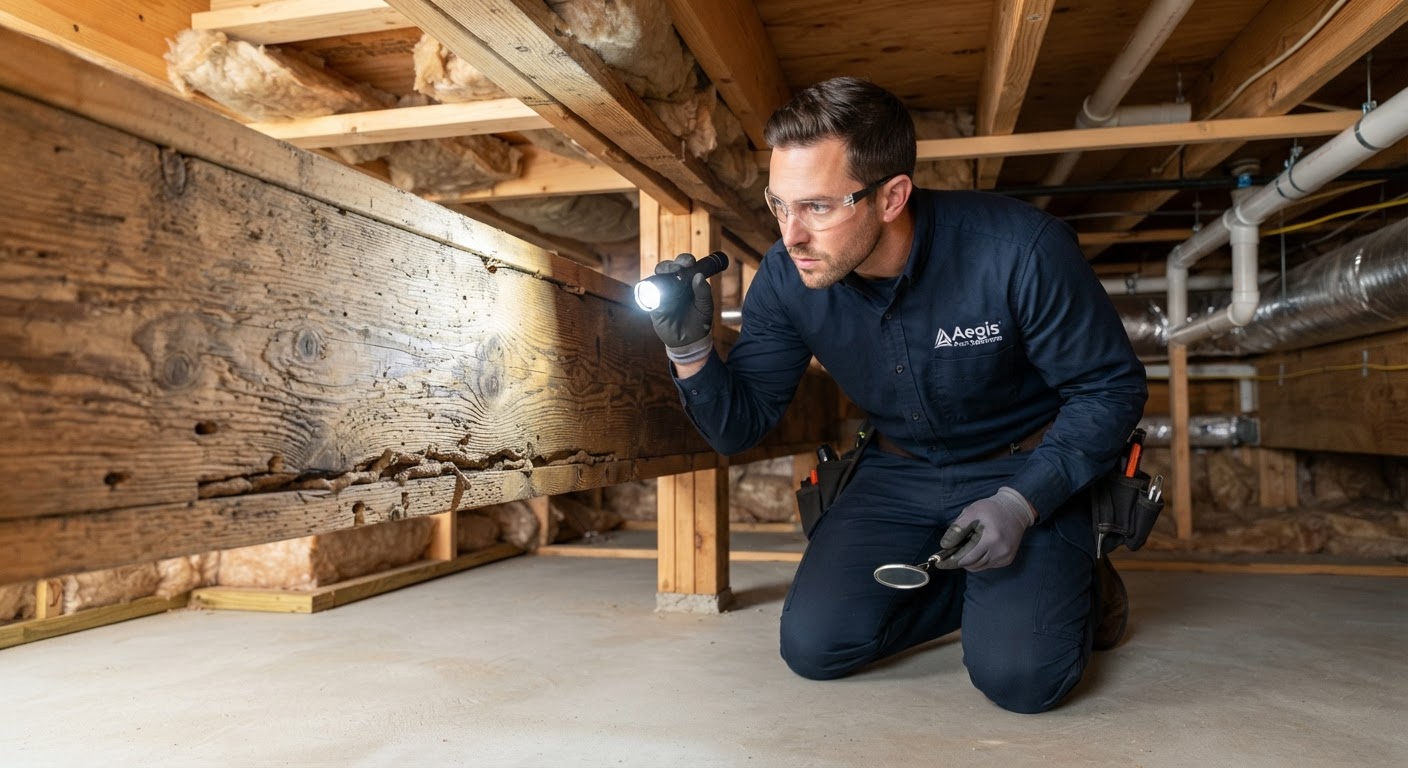
Southern California offers mild winters, abundant sunshine, and warm summers. While residents appreciate this climate, wood-destroying organisms thrive under these same environmental conditions. Throughout Los Angeles County and communities like Lynwood, property owners regularly encounter two distinct termite species: drywood termites and subterranean termites. Although both feed on the cellulose found in structural timbers, their biology, habits, entry methods, and warning signs differ substantially. Understanding these differences is the first step in identifying an issue early and safeguarding your home from progressive structural damage.
The Fundamental Differences Between Termite Species
Before examining specific warning signs, it helps to understand how these two pests operate within a building. Termites are social insects that live in colonies divided into distinct castes, including reproductives, soldiers, and workers. However, their reliance on moisture and soil defines where and how they establish colonies.
Drywood Termites: Colony Life Inside the Timber
Drywood termites belong to the family Kalotermitidae. Unlike their underground relatives, drywood termites do not require contact with the soil to survive. They extract the necessary moisture directly from the wood they consume and the surrounding air. A colony typically establishes itself inside sound, dry structural lumber, attic framing, fascia boards, door frames, or even wooden furniture. Because their colonies are contained entirely within the timber they infest, their populations are generally smaller than subterranean colonies, often numbering in the thousands rather than hundreds of thousands. However, multiple independent colonies can inhabit different sections of the same house simultaneously.
Subterranean Termites: Ground-Dwelling Moisture Seekers
Subterranean termites, primarily belonging to the family Rhinotermitidae, are the most widespread and destructive group in North America. These insects nest in damp soil beneath the ground or in sheltered areas close to the foundation. Subterranean termites require constant moisture to avoid desiccation, meaning their workers must maintain access to the soil or an artificial moisture source. Because an individual subterranean colony can contain hundreds of thousands or even millions of members, these pests can consume structural wood at a significantly faster rate than drywood species.
Warning Signs of a Drywood Termite Infestation
Because drywood termites live entirely inside your wood, they rarely expose themselves to open air. Homeowners usually notice their presence through the byproducts of their feeding or during reproductive swarms.
Fecal Pellets (Frass)
The single most definitive sign of drywood termite activity is the presence of fecal pellets, commonly referred to as frass. As drywood termites excavate tunnels within structural framing, they create tiny exit openings known as "kick-out holes" to discard waste. Characteristics of drywood frass include:
- Small, hard, elongated pellets measuring roughly one millimeter in length.
- A distinct six-sided, concave shape visible under close inspection.
- A gritty, sand-like texture when rolled between fingers.
- Color variation ranging from light tan to dark brown, depending on the wood being consumed.
- Accumulation in small mounds beneath window sills, along baseboards, under rafters, or on flooring.
Smooth, Clean Excavation Galleries
When drywood termites feed, they consume wood both across and along the grain. Their internal galleries are remarkably smooth, clean, and free of dirt or mud. In advanced cases, only a thin veneer of exterior wood or paint remains. Pressing against infested trim, window frames, or siding may cause the wood to depress or reveal hollowed-out tunnels underneath.
Discarded Wings and Swarmers
In Southern California, drywood termites typically produce reproductive swarmers during late summer and warm autumn afternoons. Swarmers are winged termites that leave the colony to mate and establish new nests. After landing, they shed their wings. Key indicators include:
- Pairs of equal-sized wings scattered on window sills, countertops, or patio surfaces.
- Veined wings with three or four darkened, heavily pigmented veins running along the leading edge.
- Reddish-brown to dark brown bodies measuring roughly three-eighths to one-half inch in length.
Warning Signs of a Subterranean Termite Infestation
Subterranean termites build complex foraging systems between the soil and structural wood. Detecting them relies heavily on observing their specialized travel tubes and moisture-damaged timbers.
Mud Shelter Tubes
Because subterranean termites are vulnerable to open air and low humidity, they build protective tunnels called mud tubes. Made from soil, wood particles, and saliva, these pencil-wide tubes allow workers to travel safely across exposed barriers. Look for mud tubes in the following locations:
- Running vertically along concrete foundation walls and stem walls.
- Crossing subfloor joists and support piers in crawl spaces.
- Emerging along interior drywall, baseboards, or plumbing penetrations.
- Dropping down from floor joists toward the soil as drop tubes.
Layered Damage Containing Soil
Unlike drywood termites, subterranean termites prefer to feed on the softer springwood, leaving the harder summerwood intact. This produces a layered, honeycomb-like pattern of damage that follows the wood grain. Furthermore, subterranean galleries are not clean; workers pack soil, mud, and fecal matter into the cavities to maintain humidity, creating a gritty, dark interior surface.
Distorted Drywall, Paint, and Flooring
As subterranean termites consume the structural paper backing of drywall and hollow out wall studs, moisture from their activity can affect interior finishes. Warning signs include:
- Bubbling, peeling, or blistered paint on walls and ceilings.
- Darkening, swelling, or water-like staining on drywall without a plumbing leak.
- Spongy or springy floorboards, particularly near exterior walls or bathrooms.
- Doors and windows that suddenly stick or become difficult to latch due to subtle framing shifts.
Key Differences in Swarmer Appearance
When winged reproductive termites appear indoors, homeowners often confuse them with flying ants or misidentify the termite species. Examining the insect provides helpful identification clues:
- Drywood Swarmers: Typically have a reddish-brown head and pronotum with a dark brown abdomen. Their wings feature distinct, visible veins along the front margin and show an iridescent sheen under light. They often swarm on sunny, warm days in late summer and fall.
- Subterranean Swarmers: Generally have a solid dark brown to black body. Their wings have fewer prominent veins and appear translucent or milky gray. Subterranean swarmers in Southern California frequently emerge during warm, sunny days immediately following spring rain showers.
Why Southern California Homes Face Elevated Risk
The architectural styles and environmental patterns found in Lynwood and neighboring Los Angeles communities create prime opportunities for both species. Stucco finishes, concrete slab-on-grade foundations, flat roofs, and exposed rafter tails are common in the area. Slab foundations allow subterranean termites to enter undetected through expansion joints, bath traps, and plumbing penetrations hidden beneath carpet or flooring. Concurrently, warm temperatures allow drywood swarmers to enter attics and wall cavities directly through attic vents, eave gaps, and unsealed perimeter trim.
Protecting Your Property
Because drywood and subterranean termites inhabit different environments, their treatment strategies are entirely different. Localized wood treatments or structure-wide fumigation address drywood colonies confined within lumber, whereas perimeter liquid barriers, baiting systems, and soil treatments target subterranean colonies living beneath the foundation. Attempting a generic approach without properly identifying the species often leaves the core colony intact.
If you have spotted frass mounds, noticed mud tubes, or found discarded insect wings near windows, professional assessment is the safest course of action. Rapid Pest Removal Services provides thorough inspections and customized termite solutions designed for Lynwood homes. Contact our local team today to schedule an inspection and protect your property from structural wood damage.
Need help from Rapid Pest Removal Services?
Contact our team to discuss your service needs in Lynwood and surrounding service areas.